

by GBSurf | Oct 28, 2026 | Blog
Your driveway is more than just a parking space; it is a functional investment in your property. However, not all driveways are created equal. While a standard design might suffice for a single family car, the stakes are much higher when you need to accommodate heavier vehicles. Whether you are parking a heavy-duty van, a motorhome, or multiple cars, the structural integrity of your driveway is paramount.
In this guide, we will explore how to select a surface that balances heavy-duty performance with aesthetic appeal, with a particular focus on what homeowners in Rotherham need from a durable driveway.
Why Vehicle Weight Matters When Choosing a Driveway
When planning a new driveway, the most common mistake is choosing a surface based purely on looks. However, the way you use your driveway dictates the construction specification required. A driveway designed for a lightweight hatchback experiences significantly different stresses than one regularly subjected to the weight of a transit van or commercial vehicle.
When heavy vehicles are introduced to a substandard driveway, the pressure can lead to premature failure. Key factors that influence performance include:
- Surface Material: The visible top layer.
- Ground Preparation: The excavation and levelling.
- Drainage: Management of water runoff.
- The Sub-base: The critical foundation beneath the surface.
Getting these elements right is essential for anyone investing in a driveway that will perform reliably for years to come.
What Makes a Driveway Suitable for Heavy Vehicles?
A durable driveway must be designed to distribute weight evenly and resist deformation. This requires a holistic approach, ensuring every layer works together.
The Importance of a Strong Sub-base
The sub-base is the backbone of your driveway. It is the layer of compacted aggregate (usually MOT Type 1) that sits beneath the surface material. For heavy vehicles, a thicker, well-compacted sub-base is required to distribute the load effectively. If the sub-base is too thin or poorly compacted, the surface will quickly rut and sink.
Choosing the Right Surface Thickness
The required thickness of the surface layer (tarmac, block, or concrete) depends on the load. A standard car driveway might require 50mm of tarmac, whereas a driveway for regular van traffic may need 60mm or more. For high-traffic commercial areas or heavy vehicles, reinforced construction methods are often necessary.
The Role of Drainage in Driveway Durability
Water is the enemy of all driveways. Effective drainage prevents water from pooling on the surface or penetrating the foundation. If water weakens the sub-base, the driveway loses its load-bearing capacity, leading to cracks and sinking.
Which Driveway Materials Are Best for Heavy Vehicles?
When consulting driveway specialists in Rotherham, you will likely be presented with three main options: tarmac, block paving, and concrete.
Tarmac Driveways: A Practical Option for Regular Vehicle Traffic
Tarmac is a popular choice due to its smooth finish and cost-effectiveness. It is excellent for larger driveway areas. For heavy vehicles, it is crucial that the tarmac is laid thick enough and on a robust sub-base. If properly installed, tarmac can withstand regular traffic well.
Block Paving Driveways: Strength, Flexibility, and Design Options
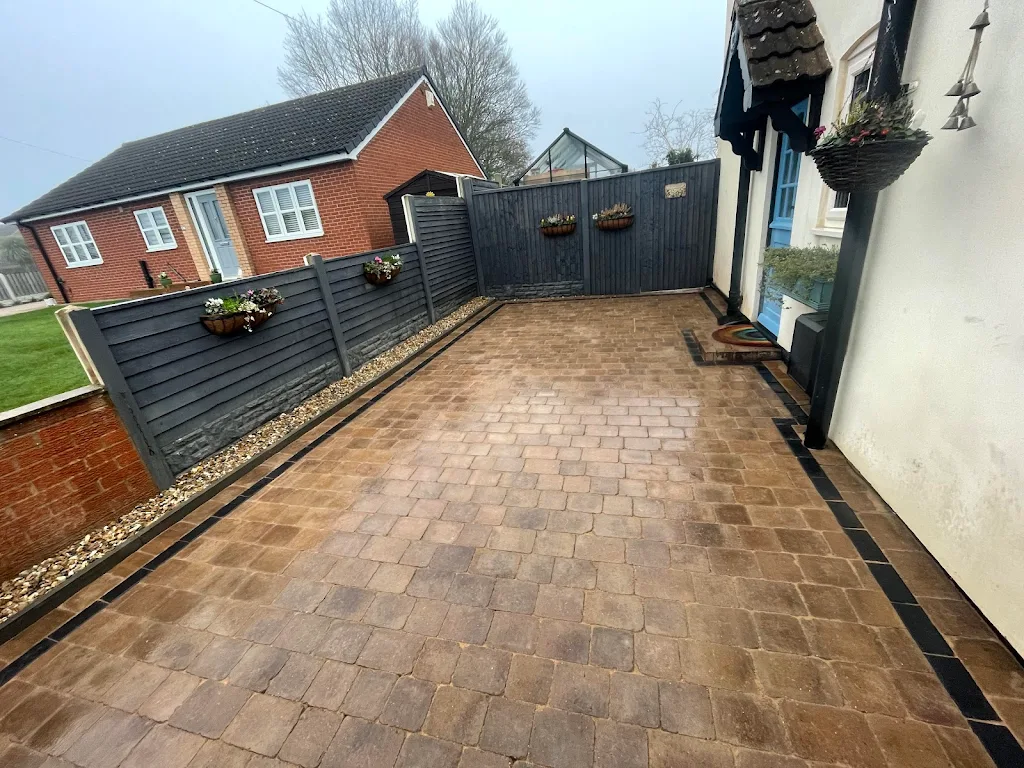
Block paving is highly durable if installed correctly. Unlike a solid surface, block paving consists of individual bricks interlocked with jointing sand. This flexibility allows the driveway to accommodate slight ground movement without cracking. However, the strength relies entirely on the quality of the blocks, the depth of the sub-base, and rigid edge restraints.
Concrete Driveways: A Strong Surface for Demanding Applications
Concrete is arguably the strongest material for demanding applications. When designed with the correct thickness (often 150mm+ for heavy vehicles) and reinforced with steel mesh, it can withstand significant weight. Proper joint placement is also vital to control cracking.
How to Choose the Right Driveway for Your Property
Before you hire a contractor, assess your specific needs.
Consider the Number of Vehicles You Need to Accommodate
Do you have one car or four? Will cars park side-by-side, or will they need to manoeuvre around each other? Areas subject to turning or frequent stopping are under more stress.
Think About Your Vehicle’s Weight and Usage
Is it occasional car use, or regular delivery vans? If your property hosts heavy vehicles daily, you must invest in a commercial-grade specification.
Assess Your Existing Ground Conditions
The type of soil (clay, sand, or loam) affects drainage and stability. A professional survey is often required to determine if the ground needs additional reinforcement.
Balance Durability, Appearance, and Maintenance
You want a driveway that looks good. Fortunately, heavy-duty materials come in a variety of finishes. Balancing the industrial strength of concrete with the aesthetic appeal of block paving is possible with the right advice.
Common Problems Caused by Choosing the Wrong Driveway
Selecting an unsuitable surface leads to costly repairs. Here are common issues:
- Surface Rutting and Depressions: This occurs when the sub-base is too weak to support the vehicle’s weight, causing the surface to sink.
- Cracking and Surface Movement: Insufficient foundations or poor drainage can cause the ground to settle, leading to cracks.
- Loose Blocks and Uneven Surfaces: In block paving, this often happens due to inadequate edge restraints or a failing foundation.
Why Professional Driveway Installation Makes a Difference
The longevity of your driveway depends 90% on installation and 10% on materials. Professional installation involves:
- Correct excavation depth.
- Use of geotextile membranes to prevent weeds and soil migration.
- Heavy-duty compaction of sub-layers.
- Ensuring correct falls for drainage.
A reputable contractor will assess your usage—be it domestic or commercial—and recommend a specification suitable for your property and its demands.
Choosing a Durable Driveway with GB Surfacing
For residents seeking expert installation and surfacing services, GB Surfacing is the trusted name in the region. We specialise in providing robust solutions for all types of driveways, from family homes to commercial properties across Rotherham and the surrounding areas.
We offer:
- Tarmac Driveways: Durable and smooth.
- Block Paving: Stylish and strong.
- New Driveway Installations: Complete ground-up builds.
- Tarmac Overlays: Cost-effective resurfacing.
We understand that durability is key. Whether you need a driveway for a single family car or a heavy commercial vehicle, our team ensures the foundation is right.
Contact us today to discuss your requirements and request a written quotation.
Frequently Asked Questions
What is the best driveway surface for heavy vehicles?
Concrete and reinforced block paving are generally the strongest. However, a thick, well-laid tarmac can also handle heavy vehicles if the sub-base is deep and compacted correctly.
Can tarmac driveways withstand regular van traffic?
Yes, provided the tarmac is laid to a sufficient depth (e.g., 60mm+) on a solid sub-base. A standard domestic tarmac drive may not be sufficient for a fully loaded commercial van over time.
Is block paving strong enough for multiple cars?
Absolutely. Block paving is extremely strong when installed on a proper sub-base with rigid edge restraints, making it ideal for multiple vehicles.
How important is the sub-base when installing a driveway?
It is the most important part. The sub-base distributes the weight of the vehicle. If it is inadequate, the surface will fail regardless of the material used.
Can an existing driveway be strengthened for heavier vehicles?
Sometimes. This usually involves overlaying tarmac or replacing block paving. However, if the sub-base is failing, a full excavation and rebuild are often necessary.
How do I choose a driveway for a property with several vehicles?
Focus on the total area of usage and the frequency of use. You will need a larger surface area with high durability. Consulting a professional about the specific traffic flow is recommended.